
Updated 3/11/2025
Key Takeaways
- Shropshire is England’s hidden gem — a peaceful county of rolling hills, medieval towns, and slow countryside charm.
- Ideal for families, couples, and solo travellers who want authentic experiences without the crowds.
- Highlights include Shrewsbury, Ludlow, Ironbridge Gorge, and the Shropshire Hills, plus smaller villages like Clun and Much Wenlock.
- The county blends history, outdoor adventure, and local food culture, from market squares to wild moorland walks.
- Easy to reach yet wonderfully uncrowded, Shropshire offers a refreshing alternative to the UK’s busier destinations.
Nestled in the heart of England, Shropshire is a county rich in history, natural beauty, and cultural heritage. Often overshadowed by its more famous neighbours, Shropshire offers a tranquil escape with its rolling hills, ancient castles, and charming market towns. This guide will take you through the best Shropshire has to offer, from its picturesque countryside to its vibrant local culture.
Exploring Shropshire – England’s Hidden Gem
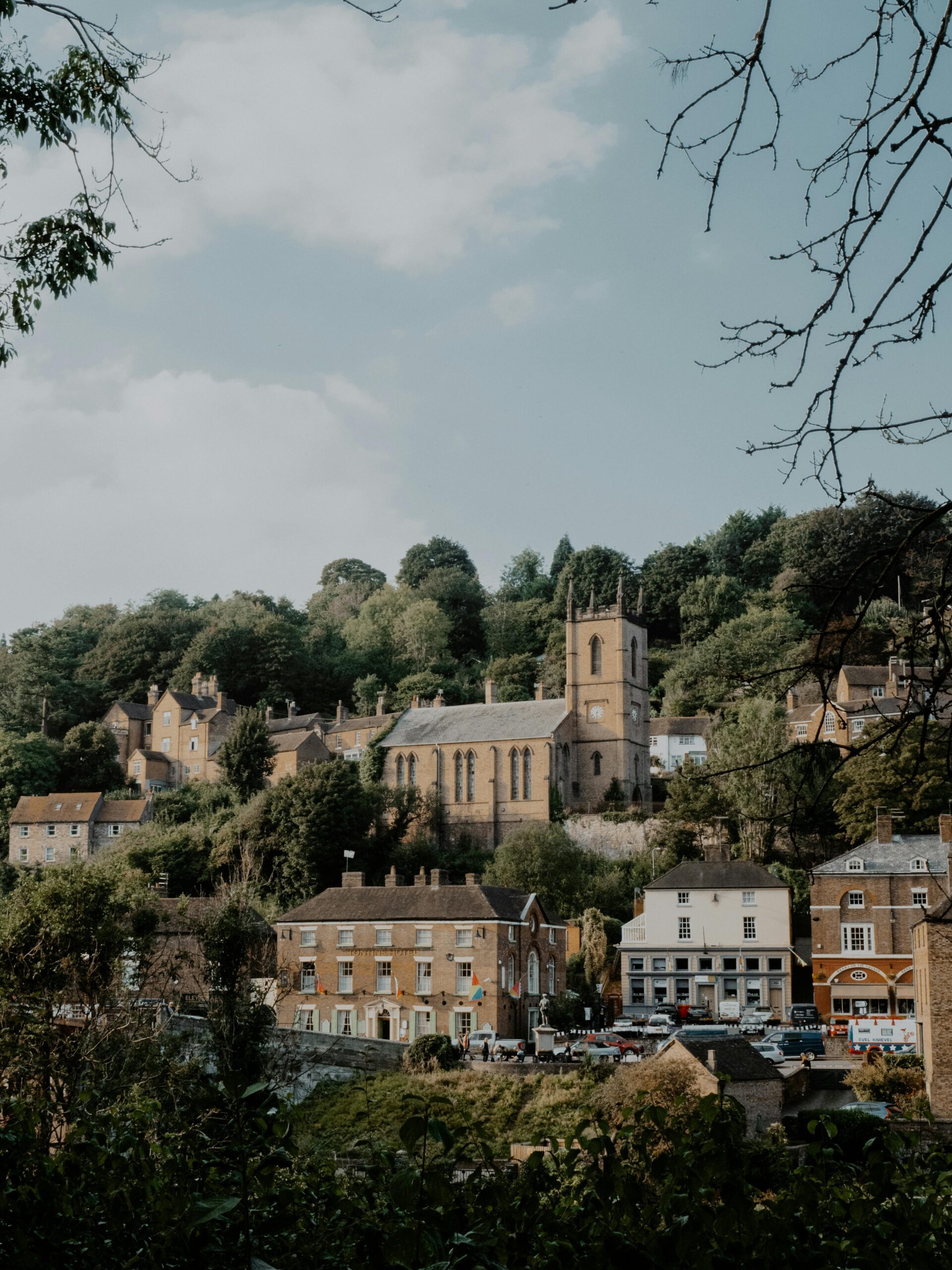
England’s quieter corners often hold the biggest surprises, and Shropshire is proof of that. Sitting quietly between the Welsh border and the West Midlands, it’s a county that many travellers overlook on their way to better-known spots – yet those who stop discover a landscape shaped by history and wrapped in calm. Here, rolling hills meet medieval market towns, rivers loop around half-timbered buildings, and castle ruins rise above peaceful meadows.
Shropshire doesn’t compete for attention; it earns it slowly. Wander its cobbled streets, breathe the open air of the Shropshire Hills, and you’ll understand why locals call it one of England’s best-kept secrets. For families seeking space, couples craving slow adventure, or solo travellers drawn to authenticity, this truly is a Shropshire hidden gem waiting to be explored.
Why Visit Shropshire
Shropshire’s charm lies in its balance of beauty and simplicity. It’s a place where time seems to slow just enough for you to notice the details: the scent of wood smoke in a market square, the echo of footsteps on castle walls, the soft folds of green hills rolling toward Wales. Unlike the Lake District or Cotswolds, Shropshire hasn’t been overtaken by crowds or coach tours, so the experiences here feel personal and unhurried.
For history lovers, the county is a living museum. Norman castles, medieval abbeys and Georgian market halls speak of centuries of change, yet most remain woven into the daily life of the towns around them. Outdoor enthusiasts are drawn to the Shropshire Hills Area of Outstanding Natural Beauty, where walking trails cross open moorland, quiet valleys and windswept ridges.
Foodies will find plenty to celebrate, too. Ludlow’s reputation for fine local produce has earned it national acclaim, while Shrewsbury’s cafés and riverside pubs give every meal a sense of place. Add friendly locals, affordable stays, and easy access from the Midlands, and it’s easy to see why Shropshire is increasingly recognised as England’s hidden gem.
Top Places to Explore
Shropshire may be one of England’s least-known counties, but it’s packed with variety. From medieval towns to wild hills and serene river valleys, each part of the county tells a different story. Whether you prefer historic streets, local markets or open countryside, here are some of the best places to add to your itinerary.
Shrewsbury
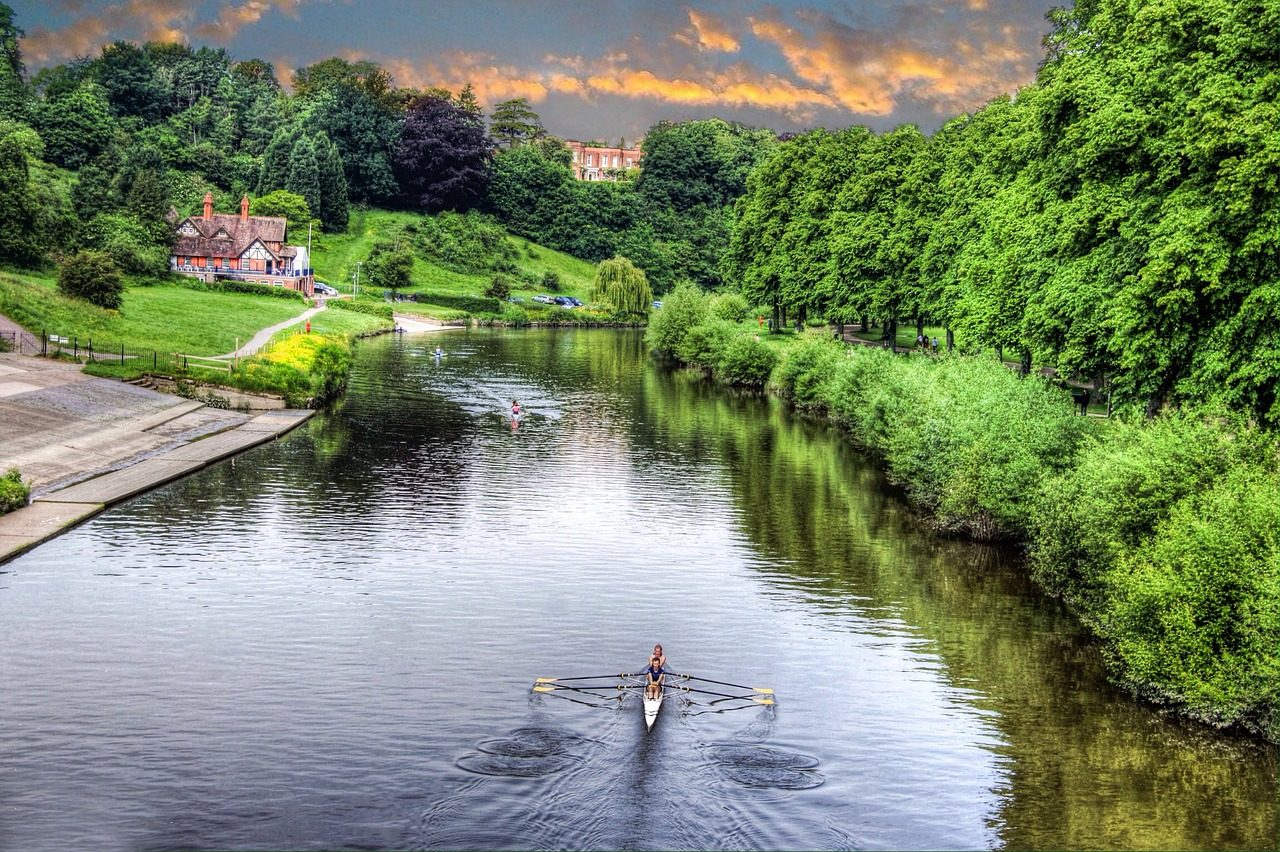
Often described as one of England’s most complete medieval towns, Shrewsbury sits almost entirely encircled by the River Severn. Its narrow lanes, timber-framed buildings and lively market give it a timeless charm. You can climb the castle mound for sweeping views, stroll along the riverside, or spend hours browsing independent shops and cafés. In summer, the Quarry Park gardens and riverside walks are perfect for slow afternoons.
Ludlow
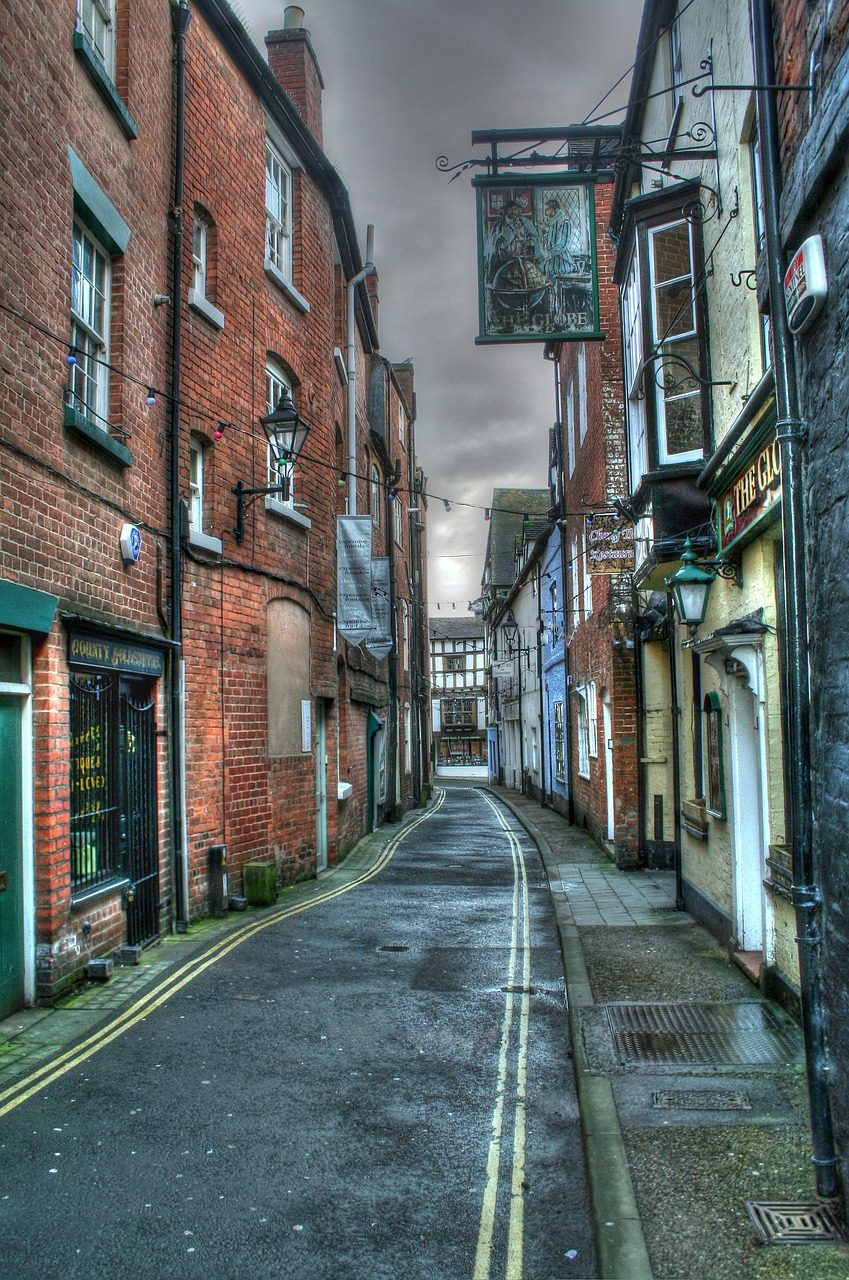
A few miles south lies Ludlow, famed for its castle, market square and exceptional food scene. It’s a town that combines beauty with flavour from farmers’ markets to fine-dining restaurants that celebrate Shropshire produce. The medieval streets climb gently toward the castle gates, with boutique shops and bakeries tucked into every corner. For couples and food lovers, Ludlow captures the relaxed elegance of rural England.
Ironbridge Gorge
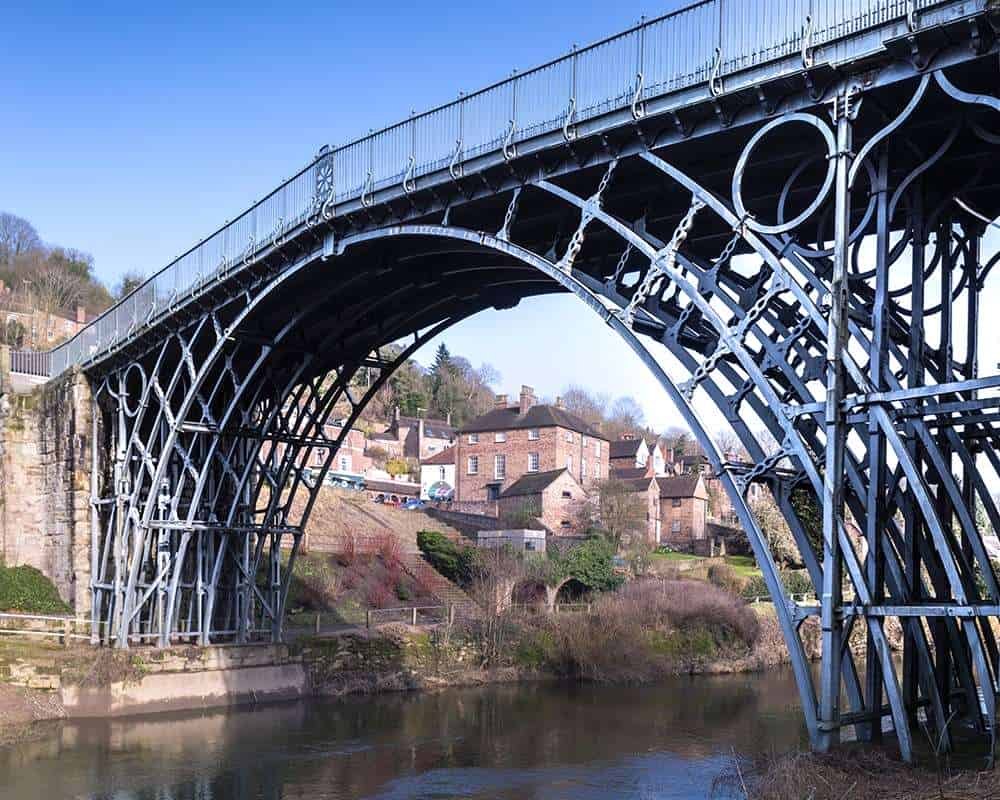
Recognised as a UNESCO World Heritage Site, Ironbridge is the birthplace of the Industrial Revolution. The iconic iron bridge spans the River Severn, surrounded by museums, heritage trails, and old foundries turned into visitor attractions. It’s both educational and scenic, making it a great stop for families. Walking across the bridge at sunset, with the valley glowing below, feels like stepping into history.
Shropshire Hills AONB
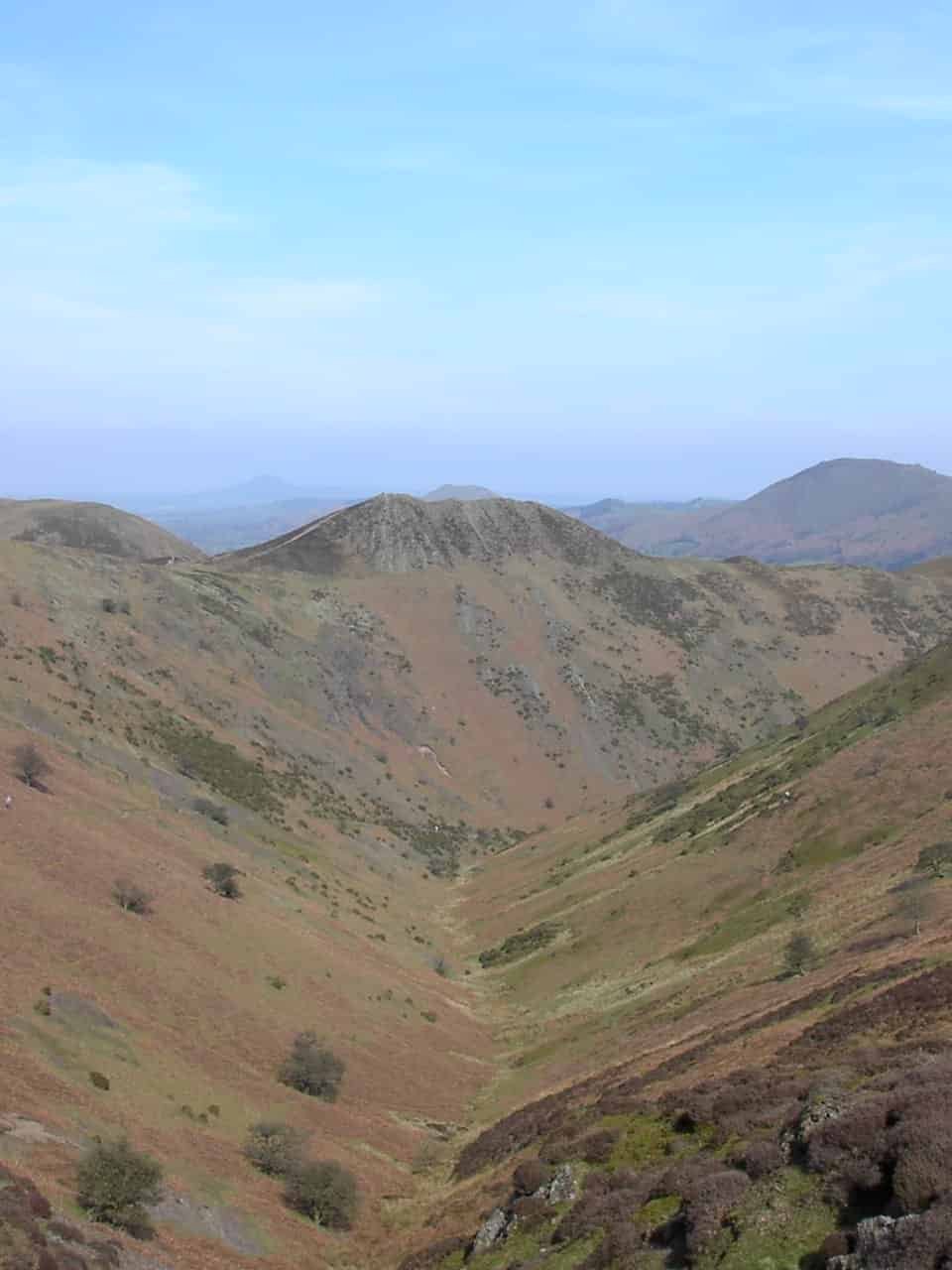
For wide-open views and quiet adventure, the Shropshire Hills are unmatched. The landscape shifts from rolling farmland to dramatic ridgelines such as the Long Mynd and Stiperstones. Walkers will find routes for every ability, while photographers and nature lovers can linger for wildlife and changing light. In good weather, you can see across to Wales – a reminder that this is true border country.
Hidden Villages and Countryside
Beyond the main attractions lie the places that make Shropshire feel genuinely undiscovered. Villages like Clun, Much Wenlock and Church Stretton offer stone cottages, local pubs and a rhythm that hasn’t changed for decades. Pull over for a country walk, or stop for a pint beside a log fire and a chat with the locals – it’s here you’ll feel the heart of the county most strongly.
Outdoor Adventures & Walks
Shropshire is a walker’s dream, a landscape made for slow exploration. Its hills, woodlands and river valleys are threaded with footpaths that invite you to wander without rush or noise. Whether you prefer a gentle family stroll or a full-day ridge hike, there’s always a view waiting at the top and a welcoming pub nearby when you’re done.
Carding Mill Valley and the Long Mynd
Near Church Stretton, Carding Mill Valley is one of the county’s most loved outdoor areas. Easy to reach and managed by the National Trust, it offers gentle paths alongside streams as well as steeper routes up to the Long Mynd plateau. From the top, the horizon stretches across patchwork farmland to the Welsh hills. Bring a picnic or enjoy tea and cake in the valley café afterwards.
The Stiperstones
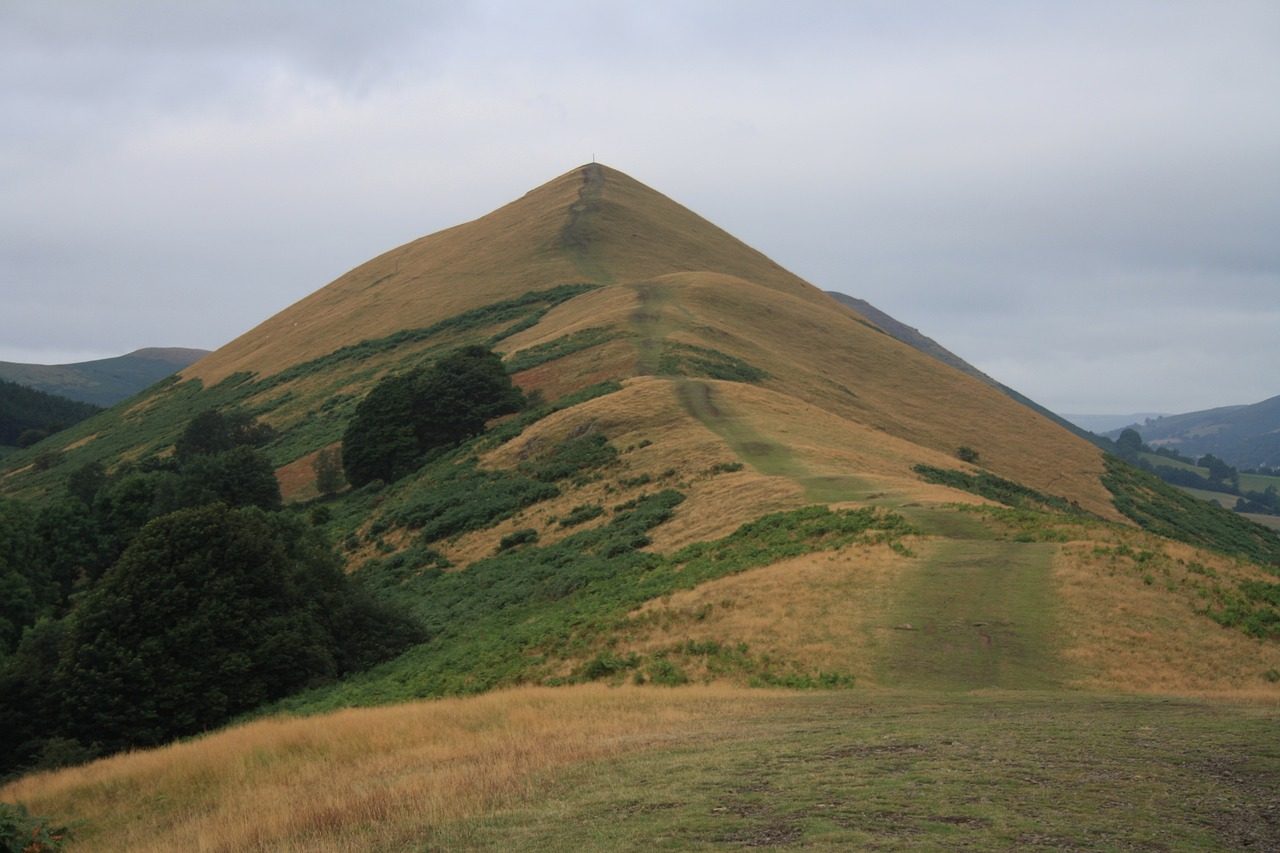
A little wilder and more rugged, the Stiperstones ridge feels remote even though it’s close to civilisation. Its jagged quartzite tors, with names like Devil’s Chair and Shepherd’s Rock, give it a hint of legend and mystery. The trail is well-marked and rewarding on a clear day; the views reach across the Severn Plain.
Offa’s Dyke Path
Following the ancient earthwork that once marked the border between England and Wales, the Offa’s Dyke Path cuts through some of Shropshire’s most scenic countryside. You can tackle short sections near Knighton or Clun, where the mix of farmland, woodland and open ridge walking captures the best of the borderlands.
Family-Friendly Trails
If you’re travelling with children, spots like Severn Valley Country Park, Haughmond Hill or the woodland paths near Ellesmere provide shorter, accessible routes with plenty of wildlife to spot. Many include picnic areas, play spaces and car parks, making them ideal for easy half-day outings.
From casual walkers to seasoned hikers, Shropshire rewards anyone who laces up their boots. Every path offers a glimpse of the county’s calm, timeless beauty, proof that adventure doesn’t always need speed or crowds.
Local Food & Markets
For a county so unspoilt, Shropshire has a surprisingly rich food scene. Its fertile farmland, traditional producers and inventive chefs have turned it into one of England’s quiet culinary success stories. Here, eating well is part of the experience, whether you’re tucking into farmhouse cheese at a market stall or sharing a long lunch in a timber-framed inn.
Ludlow – The Foodie Heart of Shropshire
Ludlow has been called Britain’s original food town, and with good reason. It’s farmer’s market fills the square with local meats, cheeses and seasonal produce, while delis and bakeries line the streets around the castle. Many of its restaurants focus on short-supply-chain menus, dishes built from ingredients that often travelled just a few miles. Visit in autumn for the Ludlow Food Festival, when the whole town becomes one open-air celebration of flavour.
Market Town Flavours
Elsewhere, Shrewsbury’s covered market offers everything from artisan bread and hand-roasted coffee to small local eateries serving global flavours with a Shropshire twist. In Bridgnorth, stalls spill out into the streets on weekends, selling fresh pies, chutneys and local cider. Even the smallest villages host occasional produce markets or farm-shop cafés, ideal for rest stops between walks.
Country Pubs and Riverside Dining
No trip to Shropshire would be complete without a meal in a countryside pub. Many focus on hearty, seasonal dishes, think slow-cooked lamb, local game, or fish from nearby rivers. Pubs around Ironbridge and the Severn Valley combine fine food with sweeping views, while riverside spots in Shrewsbury and Bewdley make for relaxed evening dining.
Wherever you eat, the atmosphere is unhurried. Meals stretch out, conversations linger, and the focus is always on good company and simple, local ingredients – a perfect reflection of Shropshire itself.
Where to Stay
Shropshire’s accommodation scene matches its landscape: varied, welcoming, and rarely crowded. You won’t find rows of chain hotels here; instead, expect character, comfort, and a sense of belonging. Whether you prefer a self-catered cottage tucked in the hills or a boutique inn beside a market square, there’s somewhere that feels just right for slowing down.
Country Cottages and Lodges
For couples or families who value space and privacy, renting a countryside cottage is ideal. Many sit within the Shropshire Hills or on the edge of small villages, surrounded by walking trails and fields alive with birdsong. Fireplaces, gardens, and generous kitchens make them perfect for longer stays, especially if you plan to explore at a relaxed pace.
Historic Inns and Town Hotels
In places like Ludlow and Shrewsbury, converted coaching inns and small heritage hotels offer comfort with character. You might sleep under oak beams, wake to the smell of freshly baked bread from the kitchen below, and step straight out into cobbled streets. These options suit travellers who want to be within walking distance of restaurants, shops, and evening strolls along the river.
Farm Stays and Rural B&Bs
For something more personal, Shropshire’s farm stays and rural B&Bs let you experience local life first-hand. Expect homemade breakfasts, friendly hosts, and wide-open countryside right outside your window. They’re especially popular with families looking for a genuine countryside break.
Whatever your style, accommodation here tends to be affordable, unpretentious, and full of character, another reason Shropshire feels like a hidden gem rather than a polished tourist package.
Getting There & Around
Part of Shropshire’s appeal is how easy it is to reach and how quickly it feels like you’ve escaped somewhere far more remote. Despite its peaceful atmosphere, the county sits close to major routes, making it an effortless getaway from cities across the Midlands and northwest England.
By Car
If you’re driving, the M54 and A49 provide the main gateways into Shropshire. From Birmingham, it’s roughly an hour to Shrewsbury; from Manchester or Bristol, around two and a half. The roads wind through rolling farmland and small stone villages, setting the tone before you even arrive. Having a car gives you the flexibility to explore the countryside and smaller towns where public transport can be limited.
By Train
Shrewsbury is the main hub, with direct services from Birmingham, Manchester, and Cardiff. From there, local lines connect to Ludlow, Church Stretton, and other market towns. Train travel is a scenic option; you’ll pass green valleys and historic viaducts on the way. Taxis and local buses fill the gaps once you arrive.
Exploring Locally
Once in Shropshire, take it slow. Many of the most rewarding drives are the short ones, winding lanes through the Shropshire Hills, or quiet detours to tiny villages and viewpoints. Cyclists will find several dedicated routes, and walkers can easily plan car-free days using local buses or circular trails from town centres.
Getting around here is never hurried; it’s part of the pleasure. The journey itself becomes part of the Shropshire story, measured, scenic, and always just a little off the main road.
When to Visit
Shropshire is beautiful year-round, but each season brings its own personality. The rhythm here changes gently with the light and landscape, offering something for every kind of traveller – from spring walkers to winter wanderers.
Spring
This is when Shropshire wakes up. Meadows fill with wildflowers, bluebells brighten woodland trails, and lambs appear across the hills. It’s a perfect time for gentle walks, market browsing and enjoying the first outdoor tables at riverside cafes. Accommodation prices are still moderate, and crowds are few.
Summer
Long days and warm evenings make summer ideal for family holidays or extended breaks. Local festivals fill the calendar, from food celebrations in Ludlow to open-air concerts and village fairs. Popular trails such as the Long Mynd and Carding Mill Valley are at their most scenic, though early mornings or evenings remain blissfully quiet.
Autumn
Golden light and rust-coloured hills turn the Shropshire countryside into a painter’s palette. It’s harvest season, so markets brim with fresh produce, and woodland walks feel crisp and calm. Many visitors consider this the best time of year – still mild, but more peaceful than midsummer.
Winter
Winter here is all about firesides and stillness. Market towns glow with festive lights, the hills are quiet under frost, and pubs become cosy refuges after a brisk walk. If you’re looking for solitude, this is the time to come – a chance to see Shropshire at its most serene.
Whatever the season, Shropshire rarely feels crowded. Its gentle pace and timeless scenery make every visit feel like a discovery, no matter how many times you return.
Hidden Corners & Slow Moments
The beauty of Shropshire lies as much in its quiet corners as in its headline sights. Beyond the castles, market squares, and walking trails are the places that rarely make guidebooks – moments of stillness that define the county’s true character.
Clun
Tucked into the southwest near the Welsh border, Clun feels like a village from another time. Stone cottages line the riverbank, a ruined castle crowns the hill, and life moves to the rhythm of church bells and pub chatter. It’s perfect for a lazy afternoon, a riverside picnic, or a pint in the sun outside the White Horse Inn.
Much Wenlock
Often overlooked beside Ironbridge, this small town inspired the modern Olympic Games. Its quiet lanes, half-timbered buildings and priory ruins make it a rewarding detour for history lovers. Visit midweek when the streets are calm, and you’ll have the sense of discovering something just for yourself.
Ellesmere
A landscape of lakes and meres in Shropshire’s north, Ellesmere offers gentle walking paths and birdwatching spots that feel far removed from the busier parts of the county. Take a thermos, find a bench by the water, and watch swans drift across the still surface as the light changes.
Slow Moments
Sometimes the magic of Shropshire isn’t about a destination at all. It’s the smell of woodsmoke on an evening walk through a market town, the sight of mist lifting from the hills after rain, or the sound of church bells echoing across an empty valley. These are the moments that linger – reminders that travel doesn’t need speed to be meaningful.
Final Words
Shropshire is a hidden gem that offers a rich tapestry of history, culture, and natural beauty. From its medieval towns and industrial heritage sites to its stunning landscapes and vibrant festivals, Shropshire promises a unique and unforgettable experience for every visitor. Whether you’re seeking adventure in the great outdoors, a journey through history, or simply a peaceful retreat, Shropshire has something to offer. Plan your visit today and discover the charm and beauty of this enchanting county.
FAQs
What are the top attractions in Shropshire?
The top attractions in Shropshire include Shrewsbury, Ludlow, Ironbridge Gorge, the Shropshire Hills AONB, and Severn Valley Country Park.
How do I get to Shropshire?
Shropshire is accessible by road via the M54 motorway and by rail, with direct services to Shrewsbury from London, Manchester, and Birmingham.
What are some family-friendly activities in Shropshire?
Family-friendly activities in Shropshire include visiting theme parks like the West Midland Safari Park, exploring educational attractions like the Shropshire Hills Discovery Centre, and enjoying nature reserves and wildlife parks such as the Hoo Farm Animal Kingdom.
What is the best time of year to visit Shropshire?
The best time to visit Shropshire depends on your interests. Spring and summer are perfect for outdoor activities and festivals, while autumn offers stunning foliage and harvest events. Winter is great for exploring cosy pubs and Christmas markets.
What local dishes should I try in Shropshire?
Be sure to try Shropshire Blue cheese, fidget pie, and local sausages. Don’t miss out on artisanal ciders and ales, as well as the delicious offerings at farmers’ markets and food festivals.
Are there good hiking trails in Shropshire?
Yes, Shropshire boasts excellent hiking trails, including the Shropshire Way, which takes you through some of the county’s most scenic areas. The Long Mynd and Stiperstones are also popular hiking destinations.
What cultural events take place in Shropshire?
Shropshire hosts a variety of cultural events, including the Shrewsbury Folk Festival, Ludlow Food Festival, and the Oswestry Show. These events celebrate local traditions, arts, and culinary delights.